Crypto · 2 MIN READ
Crypto wallets: understanding keys & custody
The difference between holding an asset and controlling the keys that can move it.
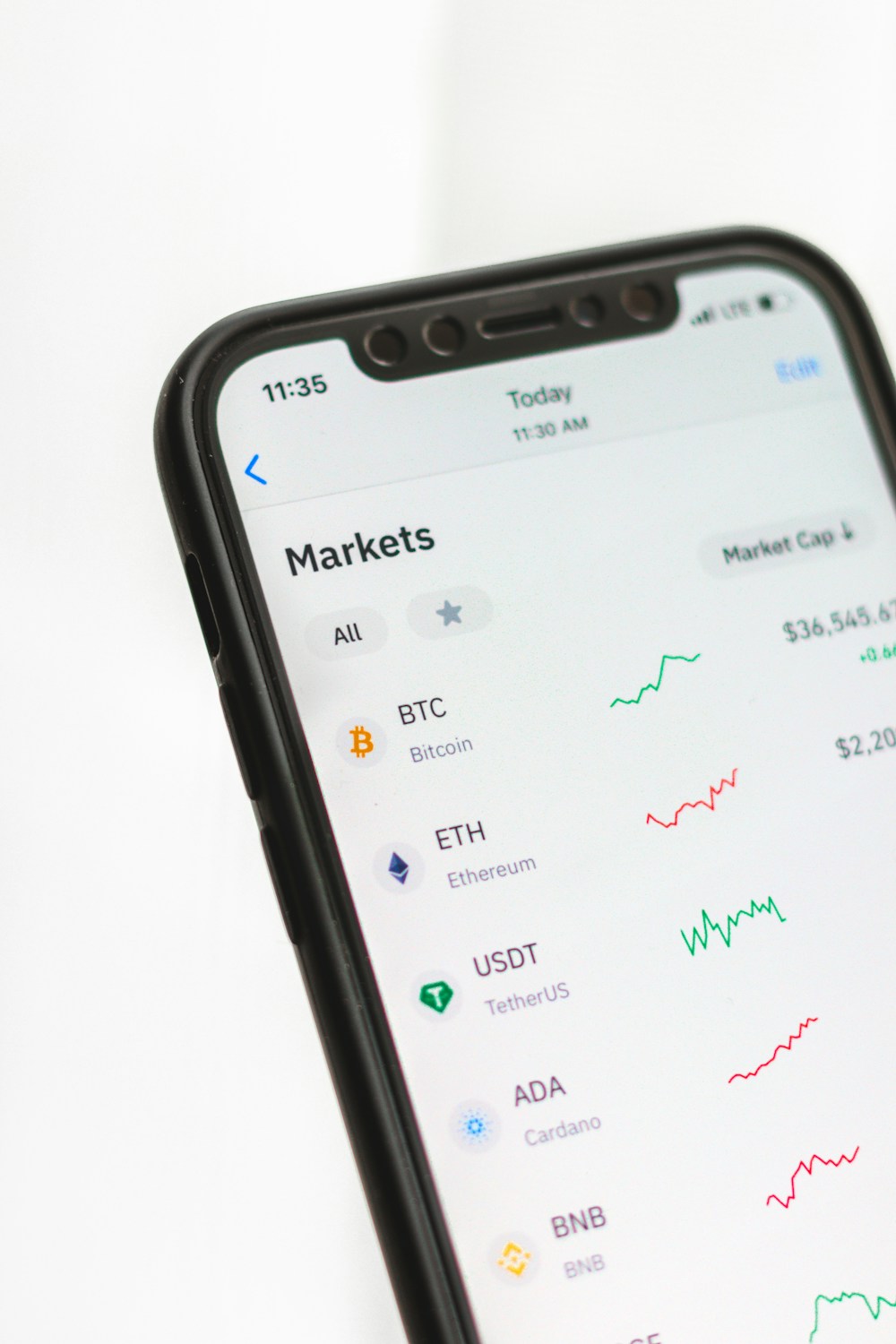
A crypto wallet is a tool for interacting with a blockchain account. It can show balances and help sign transactions. One important distinction is custody: who controls the keys that authorise transfers, and who is responsible if access is lost?
Custodial and self-custody accounts
With a custodial service, a provider manages access on the user’s behalf. This can simplify account recovery, but it also introduces dependence on the provider. In a self-custody setup, the user manages the keys. That control comes with responsibility for backups and for checking what is being signed.
Hot and cold are about connectivity
A hot wallet is connected to the internet. A cold wallet keeps key material offline, often using a dedicated device. These categories describe part of a security setup rather than a promise of complete safety. The device, the software, the backup and the user’s actions all matter.
Recovery phrases deserve care
Many wallets use a recovery phrase to restore access. Anyone who obtains it may be able to control the associated funds. A request to enter a recovery phrase into an unfamiliar website is a serious warning sign. A site contact form should never need wallet credentials.
Moving funds also requires attention to the receiving address and the correct network. A matching token name does not mean every network uses the same transfer route. Blockchain transactions can be difficult or impossible to reverse once confirmed.
Further reading
Ethereum.org — Wallets
Bitcoin.org — Secure your wallet